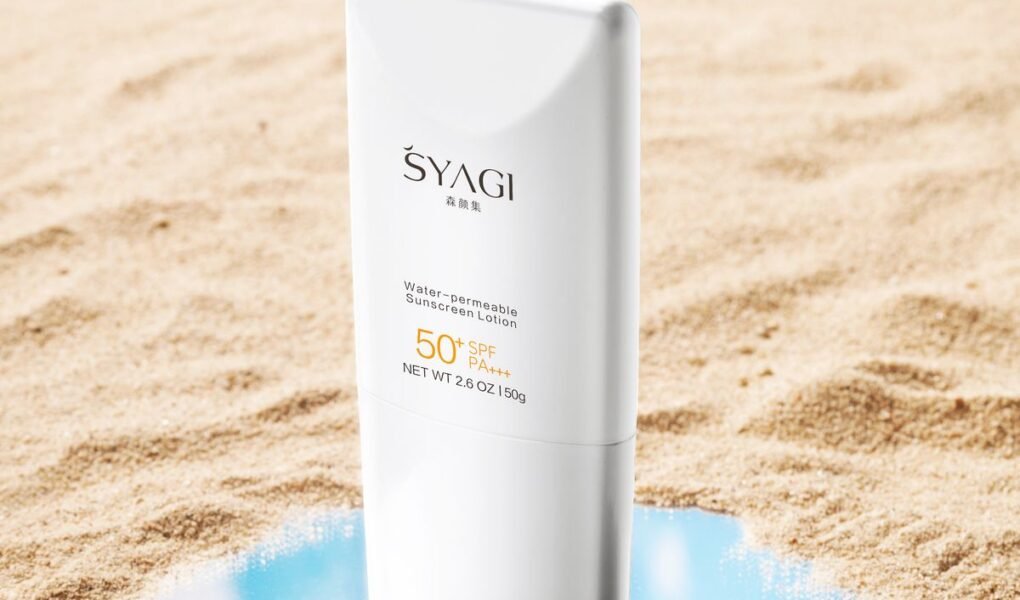
Sunscreen basics are simple once you know them, and they matter every day, not only on sunny days at the beach. Sunscreen helps protect skin from ultraviolet rays that can cause sunburn, early signs of aging, and other skin damage over time. Using it regularly is one of the easiest habits in a skincare routine, and it works best when it becomes as automatic as brushing your teeth.
The trouble is that many people use too little, apply it unevenly, or forget to reapply. This guide explains SPF numbers in plain terms, how much to apply, when to reapply, how sunscreen works under makeup, and why year-round use is worth it. It is general information only, and a dermatologist can give personal advice if you have a persistent skin concern.
What SPF Numbers Mean in Plain Terms
SPF stands for sun protection factor, and it gives a rough idea of how much protection a sunscreen offers against the rays that cause sunburn. A higher number means more protection, but the increase is not as steep as it looks: SPF 30 and SPF 50 are both useful choices, and no sunscreen blocks one hundred percent of rays. What matters more is using enough, applying it evenly, and reapplying when needed. Choose a broad-spectrum product, which means it helps protect against more than one type of ultraviolet ray. For more on building a simple routine, see our skincare routine basics guide, and browse more ideas in our Skincare Basics category.
How Much to Apply: The Two-Finger Rule
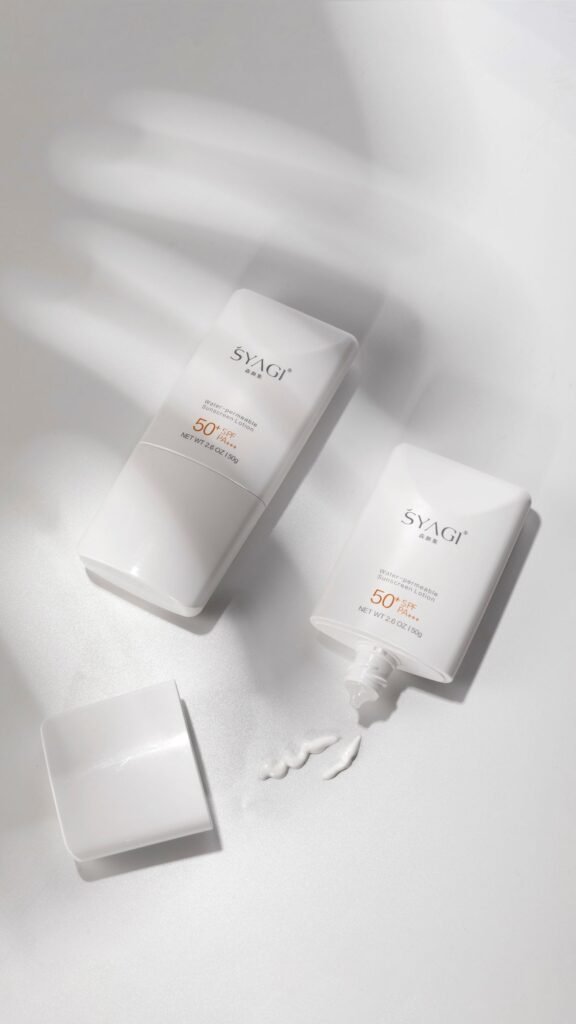
Most people use far less sunscreen than they need, which lowers its protection. A useful general guide is the two-finger rule: squeeze two lines of sunscreen along the length of your index and middle fingers, and use that amount for your face and neck. For the whole body, you need much more, roughly a shot-glass full for an adult, spread evenly over all uncovered skin. Apply it fifteen to thirty minutes before going outside, so it has time to form an even layer, and do not forget the ears, the back of the neck, and the tops of the feet.
Reapplication: When and How Often
Sunscreen wears off during the day, especially with sweating, swimming, or toweling off. As a general guide, reapply about every two hours when you are outside, and sooner after swimming or heavy sweating. Use the same generous amount as the first application, not a thin top-up. If you are indoors most of the day, one morning application may be enough for the face, but a midday reapplication is a good habit if you spend time near a window or go outside for lunch. Keep a small tube in your bag so reapplying is easy.
Sunscreen Under Makeup
Sunscreen can work well under makeup if you let it settle first. Apply sunscreen after moisturizer and before foundation, and wait a minute or two so the makeup does not slide or pill. A light, non-greasy formula usually layers best under a tinted moisturizer or foundation. Makeup with SPF is a bonus, but it rarely provides enough coverage on its own, since most people do not apply enough of it to reach the labeled protection. For reapplying over makeup, a sunscreen spray or powder made for that purpose can be a practical option.
Choosing a Sunscreen You Will Actually Use
The best sunscreen is the one you will use every day. Lightweight lotions and gels suit oily or combination skin, while richer creams suit dry skin. Some formulas leave a white cast, which is more noticeable on deeper skin tones, so look for a formula that blends in well for you. Mineral and chemical sunscreens work in different ways, but both can protect skin when used as directed, so choose the feel and finish you like. If you have sensitive skin, a fragrance-free option may be more comfortable, and patch testing a new product can help you spot irritation early.

Year-Round Use, Not Just Summer
Ultraviolet rays are present all year, even on cloudy days and in winter, and they can pass through clouds and reflect off water, sand, and snow. That is why daily sunscreen is a year-round habit, not only a holiday one. Apply it every morning as the last step of your skincare routine, even when you plan to stay mostly indoors, since rays can come through windows on long drives or at a desk near a window. Keeping the bottle next to your moisturizer makes the habit easier to remember.
Sunscreen for Different Skin Types
Oily skin often does best with a light gel or a mattifying lotion that does not add shine. Dry skin may prefer a moisturizing cream sunscreen that feels more nourishing. Sensitive skin usually does well with fragrance-free formulas, and a mineral sunscreen can be a gentle option to try. If your skin breaks out easily, look for a product labeled non-comedogenic, which means it is less likely to clog pores. Whatever your skin type, the amount and reapplication matter more than the brand name on the bottle.
Common Mistakes to Avoid
- Using too little sunscreen, which lowers its protection.
- Forgetting the ears, neck, hands, and tops of the feet.
- Skipping reapplication after swimming or sweating.
- Relying on makeup with SPF instead of a proper sunscreen layer.
- Using an old or expired bottle and expecting full protection.
Conclusion
Sunscreen basics come down to a few habits: choose a broad-spectrum product with an SPF that suits you, apply enough using the two-finger rule for the face and a generous amount for the body, reapply every couple of hours outdoors, and wear it under makeup and all year round. A light formula that you enjoy using will do far more good than a high SPF you leave in the drawer. Make sunscreen the last step of your morning routine, and it will soon feel like second nature. You can learn more about Lumivae on our About Us page.
This article is for general beauty information only, not medical advice. Learn more on our disclaimer page.