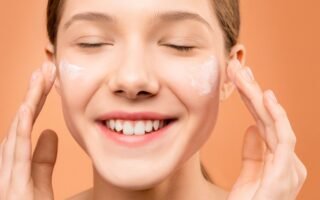
The main types of face masks — clay, sheet, cream, gel, and overnight — each do a different job, and knowing the difference helps you choose well. A mask is a concentrated step you use once or twice a week, not a daily essential, and the best one for you depends on your skin type and what you want it to do. In this guide, you will learn what each type of face mask does, which skin types each one suits, how often to use them, and how to fit masks into the rest of your routine. The goal is simple: a short, pleasant extra step that supports healthy-looking skin, without overdoing it.
Why Face Masks Are Worth a Spot in Your Routine
Daily skincare covers cleansing, moisturizing, and sun protection, but a face mask adds a focused boost on top of that. Masks sit on the skin longer than a cleanser and carry a higher amount of a few key ingredients, so they can target one concern at a time, such as dryness, dullness, or excess oil. They are also a natural pause in the week: ten quiet minutes with a mask on can turn a rushed routine into a small moment of calm. Masks are not a cure for skin problems and they do not replace your daily routine, but used sensibly, they are an easy way to give your skin a little extra care.
Clay Masks
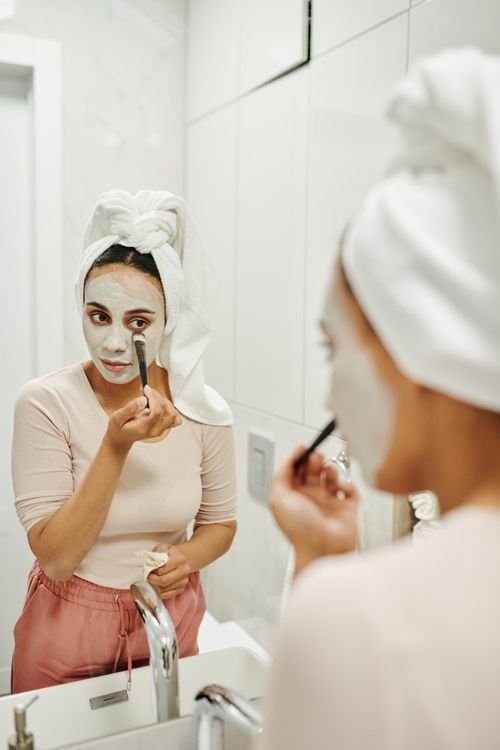
Clay masks are the thick, paste-like masks that dry on the skin, and they are best known for absorbing excess oil. They suit oily and combination skin, and they are a good choice for the T-zone, where oil tends to gather. As the clay dries, it draws out surface oil and impurities, and skin often feels cleaner and looks less shiny afterward. Clay masks can feel tight as they dry, so they are not the best pick for very dry skin, and you should rinse them off before they become fully hard and uncomfortable. Use a clay mask about once a week, follow with a moisturizer, and avoid layering it with strong exfoliants on the same day.
Sheet Masks
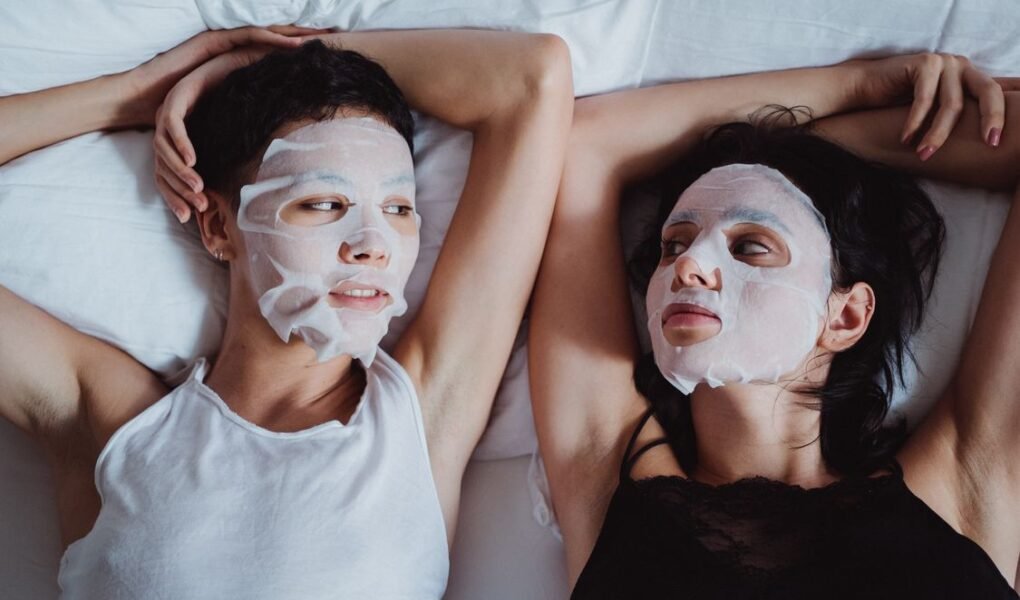
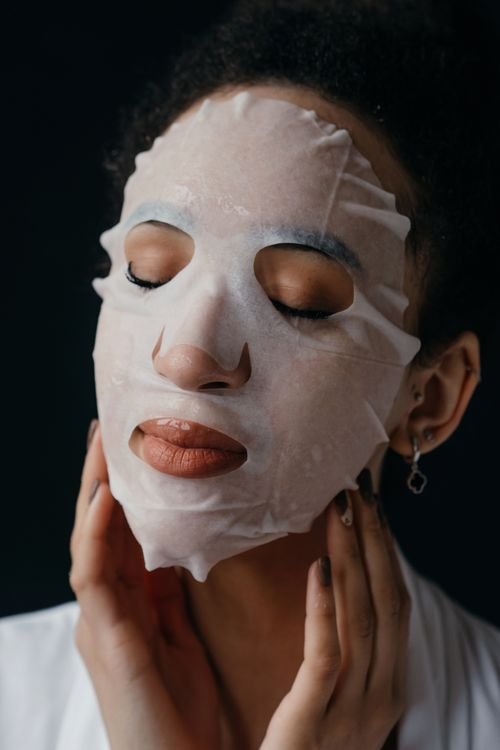
Sheet masks are single-use cloths soaked in a light serum, and they are one of the easiest types of face masks to use. You unfold the sheet, smooth it over your face, and leave it for ten to fifteen minutes while the serum soaks in. They are a good choice for most skin types, including dry skin, because the sheet keeps the serum in close contact with the skin and adds a feeling of hydration. After removing the sheet, pat the leftover serum into your skin instead of rinsing it off, and follow with moisturizer to seal it in. They are ideal before a special day or whenever skin feels a little dull and tired, and they travel well too.
Cream Masks
Cream masks are rich, smooth formulas that are usually rinsed or wiped off after ten to twenty minutes. They suit dry and mature skin best, because they focus on moisture and comfort rather than oil control. A cream mask can leave skin feeling softer and looking more supple, which makes it a good choice in colder months or after time in dry indoor air. Apply a generous layer to clean skin, relax, and remove it gently with a damp cloth, then finish with your usual moisturizer. Some cream masks can also be left on as a thin overnight layer, so check the label. If your skin feels tight or dry, a cream mask is one of the kindest options you can reach for.
Gel Masks
Gel masks are cool, lightweight and often slightly translucent, and they are a good match for sensitive or warm, flushed skin. They hydrate without feeling heavy, and many people find the cooling sensation pleasant after sun exposure or a long day. Gel masks suit most skin types, including combination skin, because they add moisture without adding oil. Keep one in a cool place for an extra refreshing effect, apply it to clean skin, and rinse or pat it in as directed. Gel masks are a gentle choice when you want hydration and comfort, and they rarely feel tight or drying the way clay masks sometimes can.
Overnight Masks
Overnight masks, sometimes called sleeping masks, are applied as the last step of your evening routine and left on while you sleep. They are usually cream or gel formulas that work slowly through the night, so you wake up with skin that feels softer and more hydrated. They suit dry and normal skin well, and they are useful when your skin feels parched or when the air is dry. Apply a thin, even layer, change your pillowcase regularly, and cleanse as usual in the morning. Overnight masks are not for every night — once or twice a week is plenty — and if your skin feels uncomfortable, rinse the mask off and use it less often.
How Often Should You Use a Face Mask?
For most people, one to three times a week is enough. Clay masks are usually a once-a-week step, while hydrating sheet, gel, or cream masks can be used a little more often if your skin enjoys them. The right frequency depends on your skin: oily skin may like a weekly clay mask, dry skin may prefer a hydrating mask twice a week, and sensitive skin should start slowly, with one gentle mask a week. More is not always better — using masks too often can irritate the skin, especially clay and exfoliating formulas. Listen to how your skin feels after each use, and if it feels dry, tight, or uncomfortable, give it a rest and simplify your routine for a few days.
Layering Masks With the Rest of Your Routine
A face mask fits into your routine after cleansing and before moisturizer. Cleanse first, then apply the mask to clean skin, then finish with moisturizer to lock in the benefits. Avoid using a mask on the same day as a strong exfoliant or another active treatment unless you know your skin tolerates it. You can also target different areas: a clay mask on the oily T-zone and a hydrating mask on the drier cheeks is a simple form of multi-masking. Keep the rest of your routine steady — a simple morning and night routine, like the one in our guide to skincare routine basics, gives the mask a good foundation to build on. For more face care ideas, browse our Face Care collection, and learn more about who we are on our About Us page.
Conclusion
Each type of face mask has its own strengths: clay absorbs oil, sheet masks hydrate, cream masks comfort dry skin, gel masks cool and refresh, and overnight masks work while you sleep. Choose by your skin type, use masks once or twice a week, and layer them after cleansing and before moisturizer. With a calm, simple approach, face masks become an easy, enjoyable extra step rather than another chore.
This article shares general beauty information only, not medical advice. See our disclaimer.