
Knowing how to choose a face moisturizer for your skin type is one of the simplest ways to keep skin feeling comfortable and looking healthy. A good moisturizer helps skin hold onto water, softens dry areas, and supports the skin’s natural barrier. With so many gels, creams, and lotions on the shelves, the choice can feel confusing, but a few clear rules make it much easier.
The right moisturizer depends mainly on your skin type and how your skin feels through the day. Oily skin still needs moisture, just in a lighter form, while dry skin usually needs something richer. This guide explains the main textures, the key ingredient types in general terms, and how to test a new product safely, so you can choose with confidence.
Why Moisturizer Matters
Moisturizer works by slowing water loss from the skin and by smoothing the surface so it feels softer. After cleansing, skin can feel tight or dry, and a moisturizer helps restore comfort. Used regularly, it can reduce the look of dry patches and help makeup sit more smoothly. It is not a treatment for medical skin conditions, and if you have a persistent skin problem, a dermatologist can give personal advice. For more on building a simple routine, see our skincare routine basics guide, and browse more ideas in our Face Care category.
Gel, Cream, and Lotion: Which Texture?
Gel moisturizers are light, cool, and quick to absorb, which makes them a good match for oily or combination skin and for warm weather. Lotions are a middle ground: lighter than a cream, but more nourishing than a gel, and they suit normal skin well. Creams are the richest texture, with a thicker feel that helps dry skin stay comfortable, especially in colder months. There is no single best texture; the right one is the one your skin absorbs well without feeling greasy or tight afterward.
Humectants and Emollients in Plain Terms
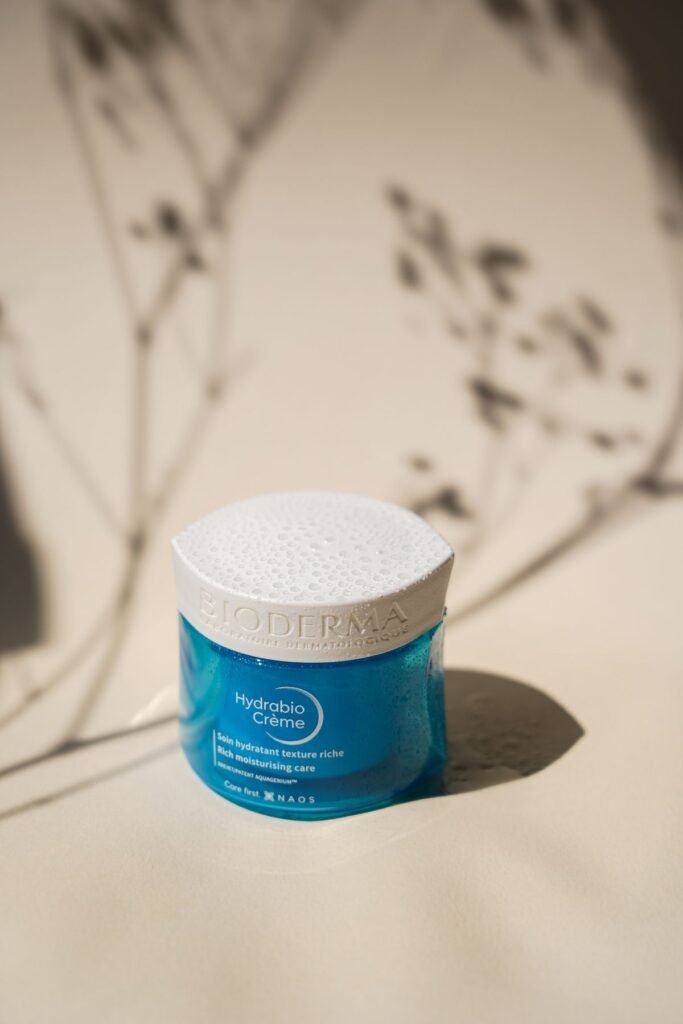
Two ingredient types show up in most moisturizers. Humectants draw water toward the skin and help it stay hydrated, and they work well in lighter formulas. Emollients are oils and buttery ingredients that soften the skin and help seal in moisture, and they are common in richer creams. Many products combine both, so the texture often tells you more than the label does. Fragrance-free options are often a safer starting point if your skin is easily irritated.
Match the Moisturizer to Your Skin Type
Dry skin usually feels tight or flaky, and it often does best with a cream that contains emollients. Oily skin may look shiny by midday; a gel or a light lotion usually feels better and will not add shine. Combination skin is oily in some areas and dry in others, so a lotion often works well, and you can add a richer cream only on the dry spots. Sensitive skin benefits from simple, fragrance-free formulas, and it is worth introducing any new product slowly rather than changing several products at once.
Day Creams vs Night Creams
Day creams tend to be lighter and often sit well under sunscreen and makeup. Some include sun protection, but a separate sunscreen is usually a more reliable way to get enough coverage. Night creams are usually richer, since they do not need to work under makeup, and they can feel more nourishing while you sleep. You do not need separate products to have a good routine; one well-chosen moisturizer used morning and night can work well for many people.
Patch Testing a New Product
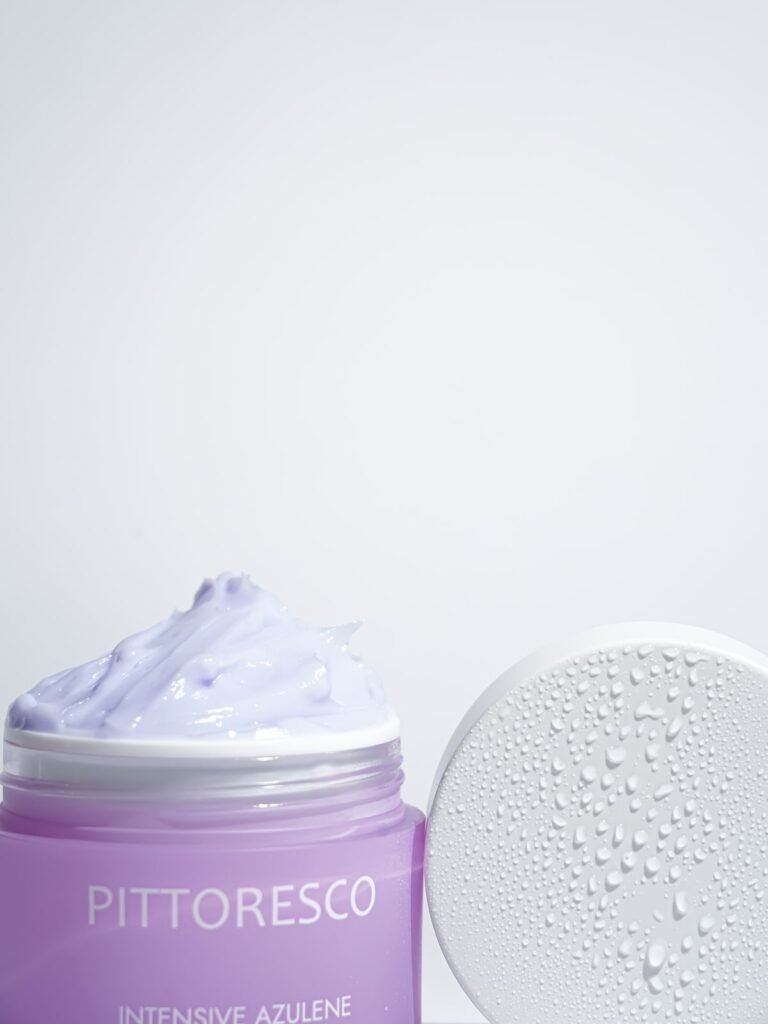
Before using a new moisturizer on your whole face, patch test it. Apply a small amount to a small area, such as behind the ear or along the jawline, once or twice a day for two or three days, and watch for redness, itching, or bumps. If the area stays calm, you can start using it on your face. If irritation appears, stop using the product and let the skin settle. This simple step is especially useful if you have sensitive or reactive skin.
How to Apply It
Apply moisturizer to clean, slightly damp skin, since damp skin helps the product spread and lock in moisture. Use a pea-sized amount for the face and a little more for the neck, and press it gently into the skin with your fingertips rather than rubbing hard. Wait a minute or two before applying sunscreen in the morning or makeup on top. Using more product will not make it work better; a thin, even layer is usually enough.
When to Change Your Moisturizer
If your moisturizer leaves skin tight, shiny, or irritated after a few weeks, it may not suit your skin type. Seasonal changes can also matter: a light lotion may suit summer, while a richer cream may feel better in cold, dry weather. Change one product at a time, and give the new one at least two weeks before judging it. If redness, flaking, or breakouts persist, speak with a dermatologist for personal advice rather than trying many new products at once.
Common Mistakes to Avoid
- Choosing a heavy cream for oily skin, which can feel greasy and clogged.
- Skipping moisturizer because skin looks oily, when even oily skin needs hydration.
- Changing products every few days, so you never learn what works.
- Using a strongly scented product on sensitive skin without patch testing.
- Applying moisturizer to dry skin only when it already feels uncomfortable.
Conclusion
Choosing a face moisturizer comes down to texture and skin type: gels for oily skin, lotions for normal or combination skin, and creams for dry skin. Understanding humectants and emollients in general terms helps you read a label without confusion, and patch testing keeps new products safe to try. Day and night creams can differ, but one good moisturizer used regularly is a strong starting point. Give each product a few weeks, and adjust to what your skin tells you. You can learn more about Lumivae on our About Us page.
This article is for general beauty information only, not medical advice. Learn more on our disclaimer page.