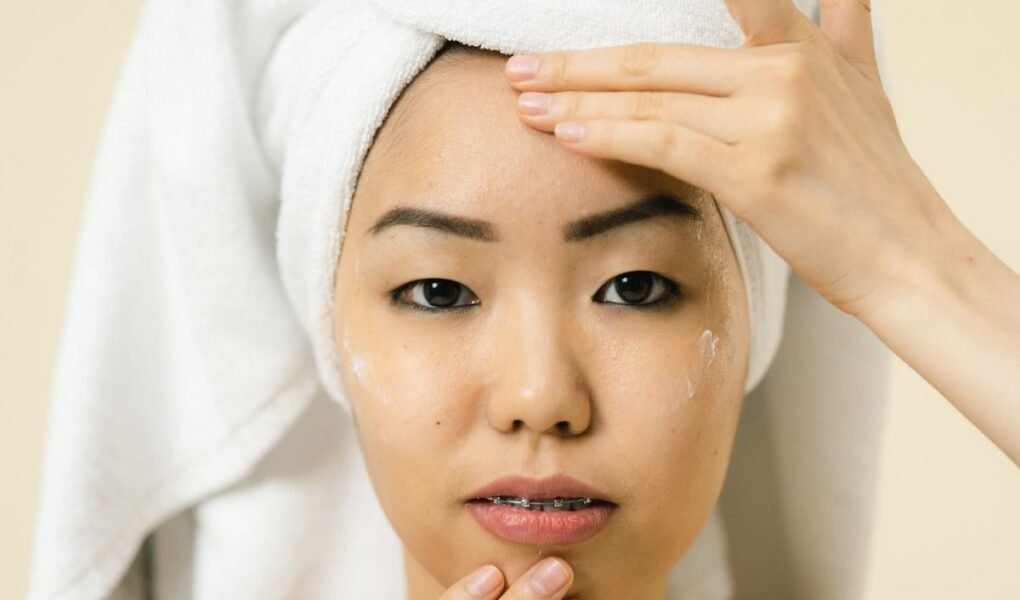
Skin barrier basics start with a simple idea: your skin has a protective outer layer, and when that layer is in good shape, your whole routine feels easier. When it is stressed, even products you have used for years can suddenly sting, feel tight, or look red. Spotting the early signs can help you pause, simplify, and give your skin the break it may need.
This guide explains what the skin barrier does in plain English, the everyday signs that it may need a rest, and how a gentler approach can help it feel more comfortable. It is general beauty information for everyday skincare, not a diagnosis, and it never replaces advice from a skin professional.
What Your Skin Barrier Actually Does
Think of your skin barrier as a thin, hardworking wall on the surface of your skin. The ‘bricks’ are skin cells, and the ‘mortar’ is a mix of natural fats and oils that holds those cells together and seals in moisture. Its two main jobs are keeping water inside your skin and keeping everyday irritants on the outside.
When the barrier is in good shape, skin usually feels comfortable, looks fairly smooth, and tolerates your usual products without complaint. When it is weakened, water escapes more easily and irritants slip in more readily. That is why a stressed barrier often shows up as dryness, tightness, and sensitivity all at once, rather than as one single problem.
Many everyday habits can put pressure on this barrier. Washing with very hot water, scrubbing hard, or using several strong active products at the same time can all wear it down. None of this means you have done something wrong; it simply means your skin may benefit from a calmer stretch.
Everyday Signs Your Skin Barrier May Need a Break
A stressed barrier rarely announces itself loudly. More often, it sends small, everyday signals that are easy to blame on a single product. If several of these sound familiar, your skin may be asking for a simpler routine.
Skin Feels Tight or Dry Soon After Washing
One of the most common signs is skin that feels tight, papery, or dry within minutes of washing your face, even before you have applied anything. A healthy barrier usually leaves skin feeling clean but still comfortable. If your face feels stretched or squeaky after washing, your cleanser may be stripping away more of those protective oils than your skin can comfortably replace.
Products That Used to Feel Fine Now Sting
Another telling sign is stinging or burning when you apply products that used to feel completely normal, such as a light moisturizer or a gentle serum. When tiny gaps open up in the barrier, ingredients can reach more sensitive layers and cause a brief sting. A little tingle from a brand-new product is one thing; regular stinging from familiar products is worth paying attention to.
Redness or Flaky Patches That Linger
Redness that hangs around after washing, or small flaky patches that keep returning in the same spots, can also point to a barrier that needs rest. These patches often show up around the nose, mouth, or cheeks, where skin tends to be thinner or more exposed. Flaking is not always a sign of dryness alone; it can also mean the surface layer is shedding faster than it can repair itself.
Breakouts or Rough Texture That Seem New
Sometimes a stressed barrier shows up as breakouts or rough, uneven texture that was not there before. When the surface layer is weakened, it can be easier for everyday bacteria and irritants to cause trouble. This does not mean you need stronger treatments; often it means the opposite, and a gentler routine is the kinder next step.
How to Give Your Skin a Break
The kindest response to a stressed barrier is usually a simpler routine, not a bigger one. Think of it as a reset: fewer products, gentler steps, and a little patience while your skin finds its balance again.
Start by pausing strong active products for a while, such as exfoliating acids, retinoids, and high-strength vitamin C. You do not need to throw them away; they can wait on the shelf while your skin rests. Wash with lukewarm water and a mild, fragrance-free cleanser, using your fingertips instead of a rough cloth or brush, and pat your skin dry gently instead of rubbing.
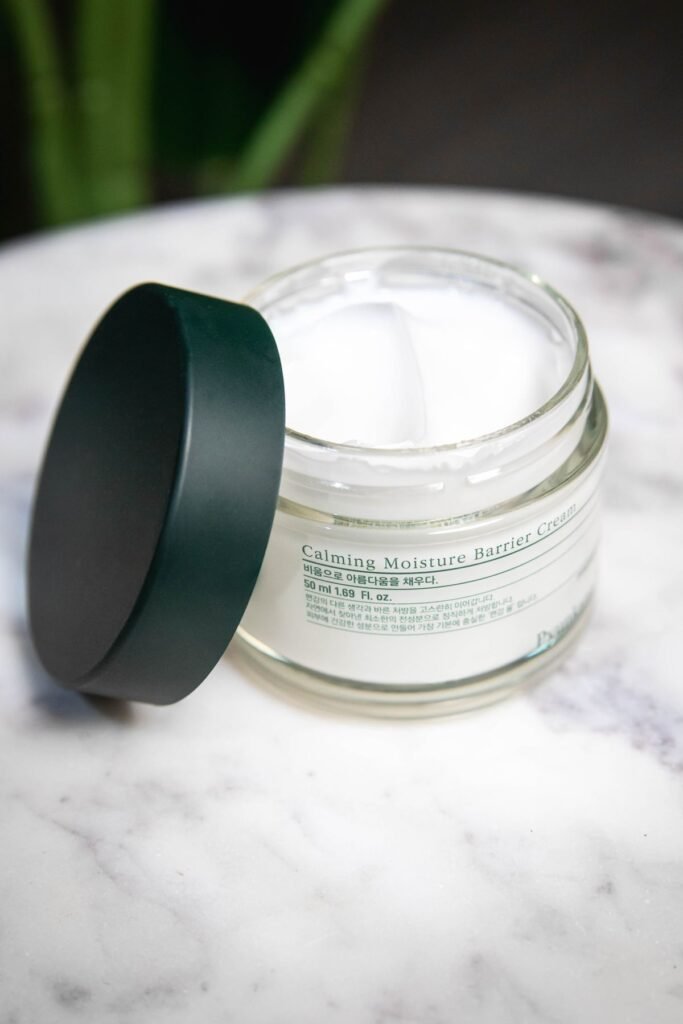
Moisturize while your skin is still slightly damp, which can help lock in the water left over from washing. A simple cream with ceramides, glycerin, or squalane is often enough; a fragrance-free formula is a safe choice while skin is reactive. During the day, a gentle sunscreen helps protect the barrier from further stress.
When you do bring products back, add them one at a time, a few days apart, so you can tell what your skin likes and what it does not. If a product stings or causes redness, set it aside again. This slow, watchful approach is the heart of good skin barrier basics, and it works far better than changing everything at once.
Gentle Ingredients That Tend to Suit Stressed Skin
While every person’s skin is different, a few ingredients are generally known for being gentle and supportive. Ceramides are fats that are naturally found in the skin barrier, and products containing them may help support that protective layer. Glycerin and hyaluronic acid draw water toward the surface of the skin. Squalane and panthenol are also often used in products made for sensitive skin.
Look for short ingredient lists and labels that say fragrance-free, especially while your skin is reactive. That does not guarantee a product will suit you, and a patch test on a small area, such as behind the ear or along the jawline, is still a sensible step before using something all over your face.

When to See a Dermatologist
A simpler routine helps many people, but some situations deserve professional attention. If redness, cracking, or soreness does not improve after a few weeks of gentle care, or if a rash spreads, becomes painful, or shows signs of infection such as swelling or oozing, see a dermatologist. A dermatologist can look at your skin in person and suggest a plan that fits you, which no article can do.
A Calmer Routine Is a Kind Routine
Your skin barrier works hard for you every day. When it sends signals such as tightness, stinging, or lingering redness, it is not failing; it is asking for a break. A simpler routine, gentler products, and a little patience are often all it needs to feel comfortable again. To keep learning, explore more guides in our Skincare Basics category, or start with our guide to skincare routine basics. You can also learn more about Lumivae on our About Us page.
This article is for general beauty information only, not medical advice. Read our disclaimer.