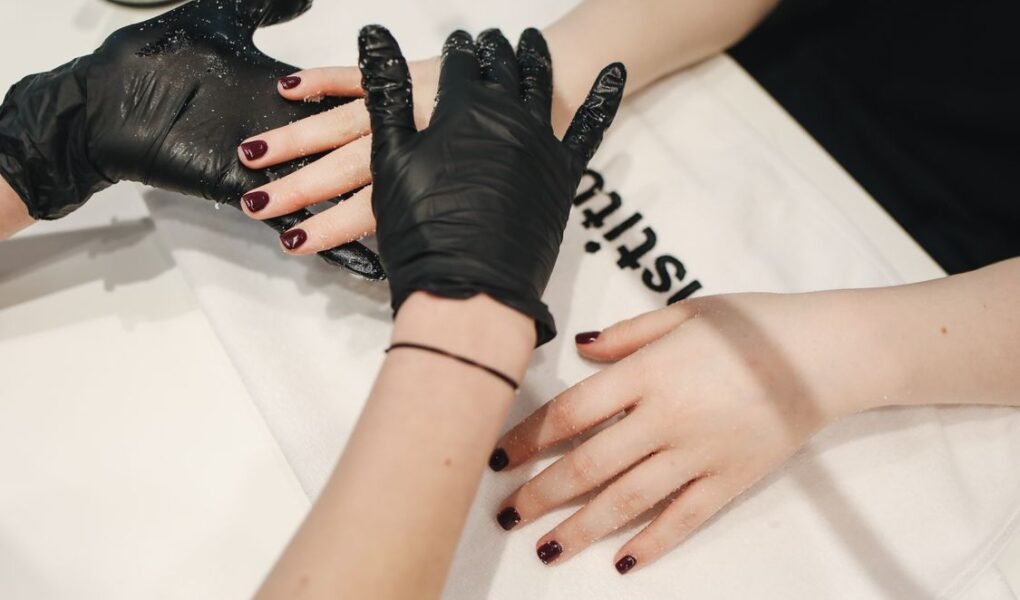
Nail care basics are not about expensive tools or complicated routines. They are about small, steady habits that protect the nail and the skin around it. When nails look dry, rough, or uneven, the cause is often everyday wear: water, soap, harsh removers, and rough filing. The good news is that most of these problems respond to gentle care. In this guide, you will learn simple nail care basics you can build into your week, from cuticle care and filing direction to moisturizing, polish breaks, and the general link between food and nail health. None of it requires special skill, and none of it promises overnight change. It is simply a calm, realistic routine that helps nails look stronger and neater over time.
Start With Clean, Dry Nails
Every nail routine should start with clean, dry hands. Wash with lukewarm water and a mild soap, then dry your hands fully, including the skin around each nail. Nails absorb water and swell slightly when wet, which makes them softer and easier to bend or tear. Filing or trimming while nails are damp can leave rough edges, so wait until they are dry. It also helps to wear gloves for washing dishes or cleaning, because long contact with water and detergents dries out both nails and skin. This one habit protects your nails more than any single product can, and it costs nothing.
Cuticle Care: Gentle Beats Aggressive
Cuticles are the thin rim of skin that seals the base of each nail, and their job is to protect the nail as it grows. Pushing them back roughly or cutting them can leave the nail open to irritation, so gentle care is the better choice. After a shower, when the skin is soft, you can use a soft towel or a wooden stick to nudge the cuticle back very lightly, with no pressure and no cutting. A drop of cuticle oil or a plain moisturizer massaged into the base of each nail keeps the area soft and helps prevent the dry, ragged edges that catch on clothing. If a hangnail appears, trim only the loose piece of skin with clean, small scissors, and leave the rest alone.
Filing in One Direction
How you file matters as much as how often you file. A back-and-forth sawing motion can fray the free edge of the nail and lead to splitting and peeling. Instead, file in one direction, using smooth, light strokes from the outer edge toward the center. A fine-grit file is kinder than a coarse one, and a glass or fine emery board usually gives a smoother finish than a metal file. Shape the nail to follow its natural curve, and avoid filing the sides too deeply, which can weaken the nail. Short, regular filing sessions are better than one long session, and you only need to file when the edge feels rough or uneven.

Moisturize Your Hands and Nails
Nails and the skin around them dry out easily, especially in cold weather or after frequent hand washing. A hand cream or a simple oil applied daily keeps the nail plate and cuticles more flexible, which helps them resist bending and breaking. Apply moisturizer after washing your hands and before bed, and take a moment to massage it into each nail and cuticle. You do not need a special nail product: a plain, fragrance-free hand cream works well for most people. This step pairs naturally with the rest of a simple skincare routine, as described in our guide to skincare routine basics. Moisturizing is one of the easiest nail care basics to keep up, because it takes less than a minute.
Give Your Nails a Polish Break
Polish looks lovely, but nails benefit from time without it. Wearing polish without a break can leave nails looking dull or stained, especially with darker shades, and constant polish can hide changes you would otherwise notice early. A break of a few days between manicures lets you see the natural nail, check its condition, and moisturize it properly. Use the break to file any rough edges, gently care for your cuticles, and apply oil. When you do polish again, a base coat helps protect the nail surface and makes the color easier to remove later. There is no need to give up polish altogether; the point is simply to let your nails rest now and then.

Choose Gentle Removers
Removing polish is part of nail care too, and a gentle method protects the nail surface. Acetone-based removers work quickly, but they can be very drying, so many people prefer an acetone-free remover for regular use. Whichever you choose, soak a cotton pad, hold it on the nail for a few seconds to loosen the polish, and wipe gently instead of scrubbing. Avoid peeling or picking polish off, because that can lift thin layers of the nail plate and leave it rough and weak. After removing polish, wash your hands, dry them well, and apply moisturizer or cuticle oil right away. If you wear gel polish, have it removed properly rather than peeling it off at home.
Food and Your Nails: A General Connection
Nails grow slowly, and they reflect your general health in broad terms. A varied, balanced diet that includes enough protein, iron, zinc, and B vitamins gives your body the building blocks it needs for normal nail growth, and drinking enough water helps keep nails and skin from becoming too dry. No single food will transform your nails, and supplements are not a shortcut: a balanced diet is the steady, sensible approach. If your nails change suddenly, break very easily, or show changes that worry you, that is a reason to talk with a dermatologist rather than to search for a miracle food or product.
A Simple Weekly Nail Routine
Putting it together is easier than it sounds. Once a week, set aside ten minutes: wash and dry your hands, trim or file the nails to an even length, smooth the edges in one direction, and gently care for your cuticles. Apply moisturizer or oil, and check whether your nails need a polish break. Between those weekly sessions, keep it simple: moisturize after washing, wear gloves for cleaning, and avoid using your nails as tools to open cans or scrape labels. Small habits add up, and a routine you can actually keep is better than a perfect routine you abandon after a week. For more everyday beauty guidance, browse our Beauty & Glow collection, and learn more about who we are on our About Us page.
Conclusion
Stronger-looking nails come from steady, gentle habits rather than from quick fixes. Keep nails clean and dry, treat cuticles kindly, file in one direction, moisturize daily, and give polish a rest now and then. Choose gentle removers, eat a balanced diet, and give your routine a few weeks before judging the results, because nails grow slowly. If a problem keeps coming back or a nail changes in a way that concerns you, a dermatologist can advise you in person.
This article shares general beauty information only, not medical advice. See our disclaimer.