Frizzy hair tips are most useful on humid days, when the air feels heavy and your hair seems to have a mind of its own. You can leave the house with smooth, neat hair and return with volume, flyaways, and waves that were not in your plan. Frizz is common, especially for wavy and curly hair, and it is not a sign that your hair is unhealthy or that you are doing something wrong. With a few gentle habits, you can help your hair look smoother and feel more manageable, even when the weather is warm and damp. This guide shares frizzy hair tips in plain language, from understanding humidity to drying, styling, and nighttime care.
Why Humidity Makes Hair Frizz
Hair is made mostly of keratin, a protein that can absorb water from the air. On a dry day, each strand holds a fairly steady amount of moisture, and the outer layer, the cuticle, lies fairly flat. On a humid day, the air holds much more water, and hair can take in extra moisture. That extra water can make individual strands swell, change shape, and lift away from the others, which we see as frizz. The effect is stronger when the cuticle is already rough or raised, for example after rough towel drying, frequent heat styling, or colour treatments. Fine hair can look fluffy, while thick or curly hair can look bigger and less defined. Once you understand that, the goal becomes simple: help the cuticle lie smoother, keep moisture levels steady, and avoid rough handling that lifts the surface of the hair.
Leave-In Products, Gently Explained
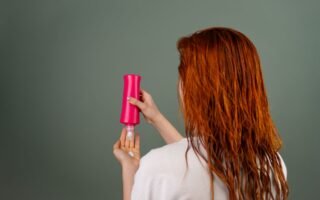
Leave-in products are designed to stay on the hair after washing, instead of being rinsed out. A light leave-in conditioner or cream can help smooth the cuticle, add a little moisture, and make hair easier to comb. On humid days, that thin layer can also help slow down how quickly hair takes in extra water from the air, so the style holds a little longer. You do not need a heavy product to get that effect. A small amount, spread evenly through damp hair, often works better than a large amount, which can leave hair feeling coated or weighed down. Choose a product that suits your hair type: fine hair often prefers a light spray or a small amount of a thin cream, while thick or curly hair may like a richer cream. Apply it mainly to the lengths and ends, where hair is driest, and use less near the roots, where it can look flat.
How to Use a Leave-In Product
- Wash and gently squeeze out extra water, without rubbing the hair.
- Take a small amount of leave-in product and rub it between your palms.
- Smooth it over the lengths and ends, avoiding the roots.
- Comb through gently with a wide-tooth comb.
- Let hair dry naturally, or use a diffuser on a low, warm setting.
Drying: Microfiber Towel or Cotton Tee
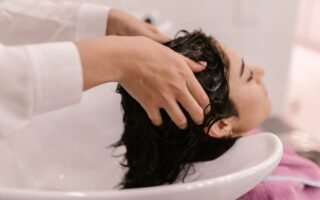
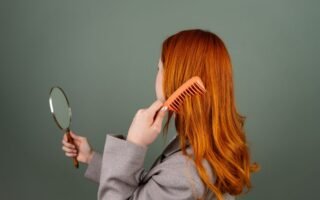
How you dry your hair matters, especially on humid days. A regular bath towel has loops that can catch on the hair and lift the cuticle, which makes frizz more likely. A microfiber towel or a soft cotton tee-shirt is smoother, so it dries the hair with less friction. After washing, gently squeeze sections of hair with the towel or tee, instead of rubbing back and forth. You can also wrap your hair loosely in a tee for a few minutes while you get ready, which removes extra water without rough handling. If you use a hair dryer, a diffuser attachment can spread the air more gently, and a low or medium heat setting is kinder than the hottest setting. Try to avoid brushing dry, curly or wavy hair, as that can break up the natural pattern and create more flyaways. A wide-tooth comb, used on damp hair, is usually a gentler choice. For general ideas about keeping a routine steady, see our guide to skincare routine basics.
Heat Styling Habits
Heat styling can give a smooth finish, but it can also dry the hair out over time, which makes it more likely to take in moisture from humid air later. If you use a flat iron or curling iron, use the lowest heat that gives you the result you want, and use a heat protectant product first. Let each section cool before you touch it, and try not to pass the iron over the same section many times. On very humid days, a looser style may hold better than a very straight one, because hair will naturally try to return to its own shape. Giving your hair a break from heat on some days, and letting it air dry, can help it feel softer over time. When you do style with heat, finish with a tiny amount of a light oil or serum on the ends, if you like, to help the surface look smoother.
Nighttime: Pineapple and Silk Pillowcase
Nighttime care can make the next morning easier. The pineapple method is a simple way to protect curls and waves overnight: gather your hair loosely on top of your head with a soft scrunchie, so the lengths are not pressed flat against the pillow. Use a loose hold, not a tight ponytail, and avoid elastic bands with metal joins. A silk or satin pillowcase can also help, because it is smoother than cotton and creates less friction while you sleep. That means less rubbing, fewer tangles, and a style that holds a little better in the morning. In the morning, you can refresh the lengths with a little water or leave-in product, and gently reshape the curls with your fingers. You do not need to wash your hair every day to refresh it, and skipping a wash can help keep natural oils in the lengths. To explore more hair guides, visit the Hair Care section on Lumivae, and read About Us to learn more about how we approach beauty topics.
Conclusion
Frizzy hair tips work best when they are gentle and consistent. Help your hair keep a steady amount of moisture, smooth the cuticle with a light leave-in product, dry with a microfiber towel or cotton tee, and be kind with heat. At night, a loose pineapple and a smooth pillowcase can protect your style. Humidity will still be there on warm, damp days, but with these simple habits your hair can look smoother, feel more comfortable, and be easier to manage. If you notice sudden hair loss or a sore scalp, talk to a professional.
This article is general beauty information only, not medical advice. For personal advice, see our disclaimer.