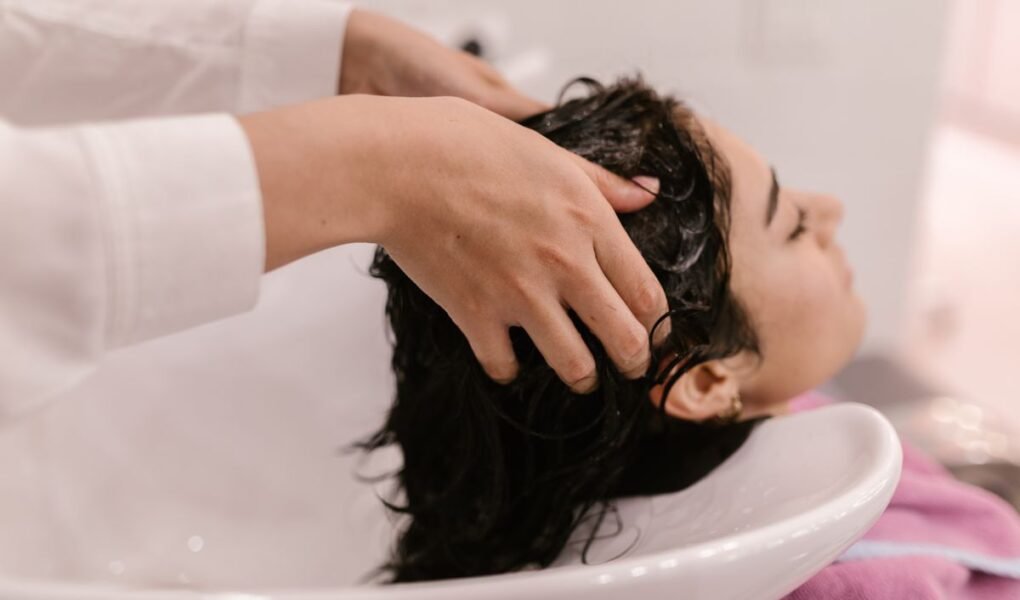
How often to wash your hair is one of those questions everyone asks and no one agrees on. Some people wash daily, others once a week, and both can be right — because the best schedule depends on your hair type, your scalp and your lifestyle. There is no single number that suits everyone. This guide looks at how often to wash your hair by hair type, the signs your scalp is giving you, and how dry shampoo, workouts and the seasons can change the plan. Explore more ideas in our Hair Care category, or visit our About Us page to learn more about Lumivae.
How Often to Wash Your Hair: The Short Answer
As a rough guide, most people do well washing their hair two to four times a week. People with very oily scalps or fine hair often feel freshest washing every day or every other day. People with dry, curly or coarse hair often prefer once or twice a week. These are starting points, not rules. The goal is simple: wash often enough that your scalp feels comfortable and your hair looks the way you like it, and not so often that your hair feels dry or your scalp feels irritated.
What Decides Your Wash Schedule?
Three things matter most: your hair type, your scalp and your daily life.
Hair Type and Texture
Fine hair tends to look oily faster because each strand has less surface to spread the scalp’s natural oils across, so it can look flat a day after washing. Curly hair is often drier by nature, since the curls make it harder for oils to move from the scalp to the ends, so many people with curls wash less often and focus on moisture.
Your Scalp
Your scalp makes the schedule, not your hair lengths. An oily scalp feels greasy at the roots and may itch or look flat, and it usually asks for more frequent washing. A dry scalp may feel tight or flaky and can react badly to being washed too often. If your scalp feels comfortable and calm, your schedule is probably right. If it feels irritated, change one thing at a time and give it a week or two before judging.
Lifestyle and Environment
How you live changes the answer too. Regular workouts, a hot climate, humidity, dust or wearing a helmet or hat can all make hair feel sweaty or dirty sooner. Desk work in a mild climate usually means you can stretch washes further.
A Simple Guide by Hair Type
Use the guide below as a starting point, then adjust it to suit you.

Oily or Fine Hair
If your roots look greasy by the next morning, washing every day or every other day is fine. Use a gentle shampoo and focus it on the scalp, where the oil is, rather than scrubbing the lengths. Rinse well and let the shampoo run down the lengths as you rinse — that is usually enough to clean them without drying them out. A light conditioner on the mid-lengths and ends keeps hair soft without weighing it down.
Normal Hair
If your hair is neither very oily nor very dry, washing two or three times a week is a good rhythm. You have the most flexibility: wash when your hair starts to feel less fresh, and skip a day when it still looks good. This is also the hair type where dry shampoo works best as an occasional in-between step.
Dry or Curly Hair
Dry, curly or coarse hair usually feels best washed once or twice a week. Because the hair is drier by nature, spacing out washes helps it keep its natural moisture. On wash days, a gentle shampoo followed by a good conditioner — or a deep conditioning treatment now and then — helps keep curls soft and defined. Between washes, a little water or a leave-in product can refresh curls without a full wash.
Signs You Are Washing Too Often — or Not Enough
Washing too often can leave hair feeling dry, rough or more tangled than usual, and the scalp may feel tight or sensitive. Washing too little can leave the scalp feeling itchy, heavy or uncomfortable, and the roots may look flat or greasy. The sweet spot is when your scalp feels calm and your hair feels soft and easy to manage. If you change your schedule, give it at least two weeks — your scalp needs time to settle into a new rhythm.
Dry Shampoo: A Useful In-Between Step
Dry shampoo can stretch the time between washes by absorbing some of the oil at the roots. Spray or sprinkle it at the roots, wait a minute or two, then brush or massage it through so it does not leave a visible residue. It is a handy tool for busy mornings, travel days or after a workout. It does not replace washing, though — it works best for a day or two, not as a long-term substitute for a proper wash.

Adjusting by Season and Workouts
Seasons change the plan. In warm, humid weather, sweat and oil build up faster, so washing more often — or at least rinsing after exercise — makes sense. In cold, dry weather, hair can feel drier, so you may space washes out a little more and lean on conditioner. After workouts, a quick rinse with water can refresh hair without a full shampoo. The key is to stay flexible: your hair’s needs in summer are not the same as in winter.
A Gentle Wash Routine That Works for Most People
A good wash day does not need to be complicated. Wet your hair with lukewarm water, massage a small amount of gentle shampoo into the scalp with your fingertips — not your nails — and rinse thoroughly. Follow with conditioner on the mid-lengths and ends, leave it for a minute or two, then rinse. Pat your hair dry with a towel instead of rubbing it, which can rough up the hair and cause tangles. If you use heat tools, a heat protectant product is a sensible extra.
Conclusion
There is no magic number for how often to wash your hair — the right answer is the one that keeps your scalp comfortable and your hair looking and feeling its best. Start with the guide for your hair type, watch how your scalp responds, and adjust with the seasons, your workouts and your lifestyle. For more simple guidance, explore our Hair Care guides, and if you are building a wider routine, our guide to Skincare Routine Basics is a good place to start.
This article is general beauty information only and is not medical advice — see our Disclaimer.