
Dark spots on skin are a common beauty concern, and they often appear gradually after sunny days, a breakout that has healed, or simply with time. They usually look like small, flat patches that are a little darker than the skin around them, and they often show up on the face, hands, and shoulders. If you have noticed them, you are not alone, and you do not need a complicated routine to care for your skin. With steady, gentle habits, many people find that their skin looks more even over time. This guide explains dark spots on skin in general terms, why daily sunscreen matters, and how simple brightening habits can fit into a calm routine.
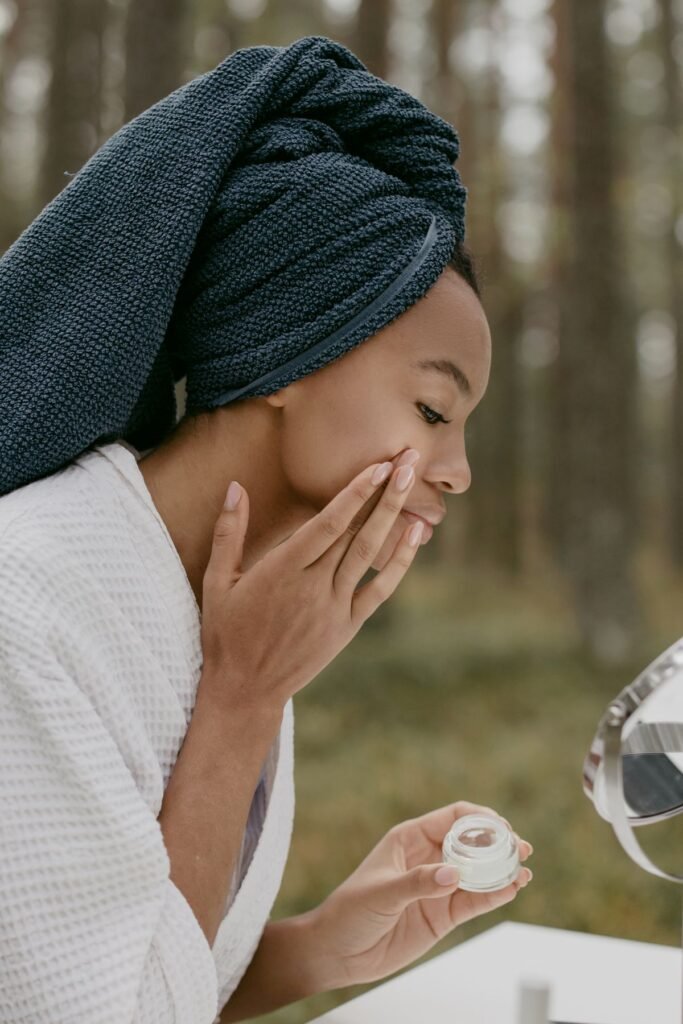
What Causes Dark Spots in General Terms
Skin colour comes from melanin, a natural pigment made by cells in the skin. When skin is exposed to sunlight, it can make extra melanin as part of its response to ultraviolet light. That extra pigment does not always spread evenly, so it can show up as a darker patch. This is one reason dark spots often appear on areas that get the most sun, such as the cheeks, forehead, nose, and the backs of the hands. Past breakouts can also leave a mark. After a spot fades, the area can stay darker for a while, even when the skin feels smooth again. Picking or squeezing a blemish can make that mark more noticeable, so a hands-off approach is usually kinder. Hormonal changes, irritation, and the natural ageing process can also play a part, and some people simply notice uneven tone more easily. A patch that is new, changing, itchy, or bleeding deserves a closer look from a dermatologist, as discussed below.
Daily Sunscreen Is the Key Habit
If you remember only one habit from this article, make it sunscreen. Dark spots on skin often become darker with more sun, and new spots can form when unprotected skin spends time outdoors. Sunscreen helps protect the skin from further darkening, which gives your other habits a chance to work. Without that protection, even a gentle brightening routine can feel as if it is going in circles.
Choose a broad-spectrum sunscreen and apply it as the last step of your morning routine. Many people find a light lotion or fluid easier to use every day than a thick cream, and a formula that sits well under makeup is more likely to become a habit. Apply enough to cover the face and neck, and do not forget the ears and the backs of the hands. Reapply after sweating, swimming, or towelling off, and after a few hours outdoors. A hat, sunglasses, and shade during the strongest sun are useful partners to sunscreen. Consistency matters more than perfection: cloudy days still bring ultraviolet light, and light can reflect off water, sand, and pale surfaces. For more ideas about building a steady routine, read our guide to skincare routine basics.
Gentle Brightening Ingredients, Described Generally
Some skincare ingredients are known for their brightening properties, and they are often found in serums and moisturisers. Vitamin C is one of the best-known examples. In general terms, it is an antioxidant often used in products designed to support a brighter-looking complexion and to help skin look more even over time. Niacinamide, a form of vitamin B3, is another popular choice. It is often described as a gentle, versatile ingredient that can help skin look calmer and more even, and it suits many skin types. Other ingredients you may see on labels include gentle exfoliating acids and liquorice root extract. You do not need to use all of them at once. Starting with one product and using it regularly is often better than layering several new products at the same time. If your skin feels irritated or uncomfortable after adding a product, pause it and return to a simple routine of cleansing, moisturising, and sunscreen.
How to Add a Brightening Product
- Choose one brightening product, such as a vitamin C serum or a niacinamide serum, and use it as directed.
- Apply it to clean skin, then follow with moisturiser and, in the morning, sunscreen.
- Use it regularly for several weeks before deciding whether you like it.
- Keep the rest of your routine simple while you try it.
- Patch test a new product on a small area first, especially if your skin is sensitive.
Patience and Consistency Matter More Than Speed
Dark spots usually form slowly, and they usually fade slowly too. Skin renews itself over weeks, so a product or habit needs time before you can judge its effect. Many people notice small changes after four to eight weeks of steady use, while more noticeable changes can take longer. Taking a photo in similar light once a month can help you see gradual progress that is easy to miss day by day. It also helps to keep expectations realistic. A gentle routine can support a more even-looking complexion, but it is unlikely to erase every mark completely, and results vary from person to person. That is normal. Small, repeatable habits, such as sunscreen every morning, gentle cleansing, and regular moisturising, often add up to more than a short burst of intense treatment. To explore more gentle guides, visit the Skin Concerns section on Lumivae, and read About Us to learn more about how we approach beauty topics.
When to See a Dermatologist
Most dark spots are a cosmetic concern, but some changes in the skin should be checked by a professional. See a dermatologist promptly if a spot is new and very dark, changes in size, shape, or colour, looks very different from your other spots, bleeds, itches, crusts, or does not heal. A dermatologist can look at the spot closely, talk through your history, and advise whether any further steps are needed. That advice is personal to you, and it is not something a general article can replace. If you are unsure, it is always better to ask than to wait and worry.
Conclusion
Dark spots on skin are common, and they often respond best to a calm, consistent approach. Protect your skin from the sun every day, choose one gentle brightening product if you wish, and give your routine time to work. Avoid picking at blemishes, keep cleansing and moisturising gentle, and pay attention to any spot that changes or looks unusual. With patience, simple habits, and professional advice when you need it, you can care for your skin in a way that feels manageable and kind.
This article is general beauty information only, not medical advice. For personal advice, see our disclaimer.